April 26, 2026
When you think about home safety, your mind likely jumps to smoke detectors, sturdy locks, or perhaps a modern security system. While these are all vital components of a secure household, there is an unsung hero built into the very architecture of your house that often goes overlooked until a problem arises. Your chimney is far more than just a decorative brick column or a practical exhaust for your fireplace; it is a complex ventilation system designed to keep toxic gases and extreme heat away from your living space.
Understanding the Critical Role of Proper Ventilation
A chimney functions as the lungs of your home, constantly working to pull combustion byproducts out of your living area and into the outside atmosphere. When you light a fire, the process creates a variety of hazardous substances, including carbon monoxide and nitrogen dioxide, which must be funneled away effectively. If the structure is compromised by cracks or blockages, these gases can easily backdraft into your home, posing a silent but deadly threat to everyone inside. Seeking professional chimney repairs ensures that the internal flue remains unobstructed and airtight, allowing the natural draft to pull toxins upward and away as intended by the original design of the house.
Preventing Dangerous Heat Transfer to the Structure
The internal temperature of a working fireplace can reach staggering heights, and your chimney is the primary barrier preventing that heat from igniting the wooden framing of your walls. Over time, the constant expansion and contraction caused by heat cycles can cause the masonry or the flue liner to deteriorate. Without timely chimney repairs, high temperatures can seep through small gaps and reach combustible materials tucked away inside your home’s infrastructure. This hidden heat transfer is a common cause of structural fires that start deep within the walls, making the integrity of your chimney liner one of the most important lines of defense against a total loss of property.
Understanding the Statistics of Fire Safety
It can be easy to assume that a chimney fire is a rare occurrence, but the data suggests otherwise for homeowners across the country. According to the Chimney Safety Institute of America, there are an average of 25,000 chimney fires annually in the U.S., many of which could be prevented through regular professional oversight. These fires often start when a substance called creosote, a highly flammable byproduct of wood smoke, ignites inside the flue. When a chimney is not in good condition, these internal fires can quickly burst through the masonry and spread to the rest of the house.
Mitigating the Risks of Carbon Monoxide Poisoning
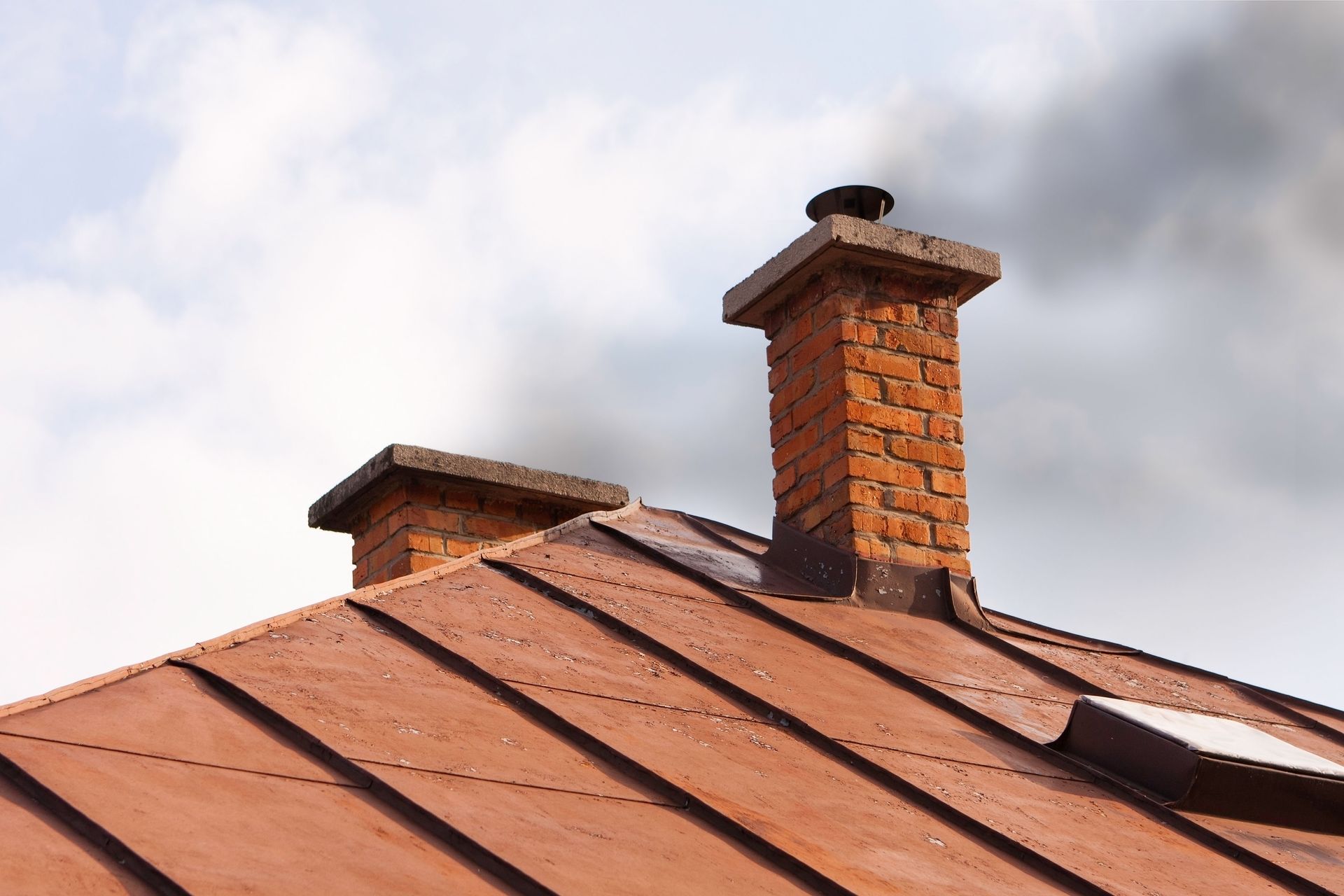
Carbon monoxide is often called the silent killer because it is colorless, odorless, and virtually impossible to detect without specialized equipment. A chimney that is leaking or blocked is the primary culprit for carbon monoxide buildup in residential settings. Even small fissures in the masonry can allow these fumes to enter bedrooms or living areas while the family is asleep. Professional chimney repairs focus on sealing these exit points and ensuring the ventilation path is completely secure. By maintaining the physical health of your chimney, you are essentially installing a heavy-duty safety shield that protects your loved ones from a gas that can have devastating health consequences in a very short amount of time.
Protecting the Foundation and Masonry Integrity
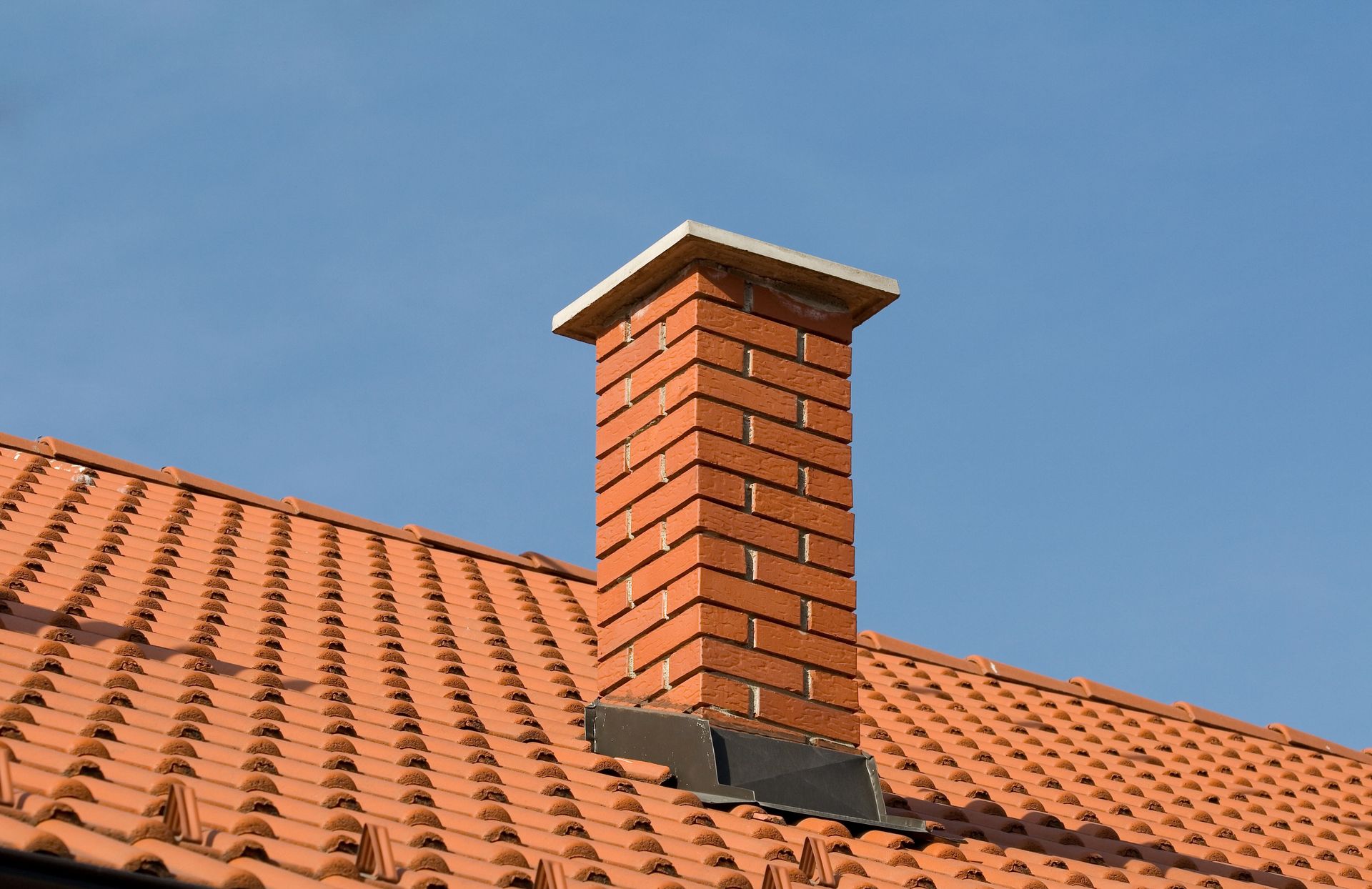
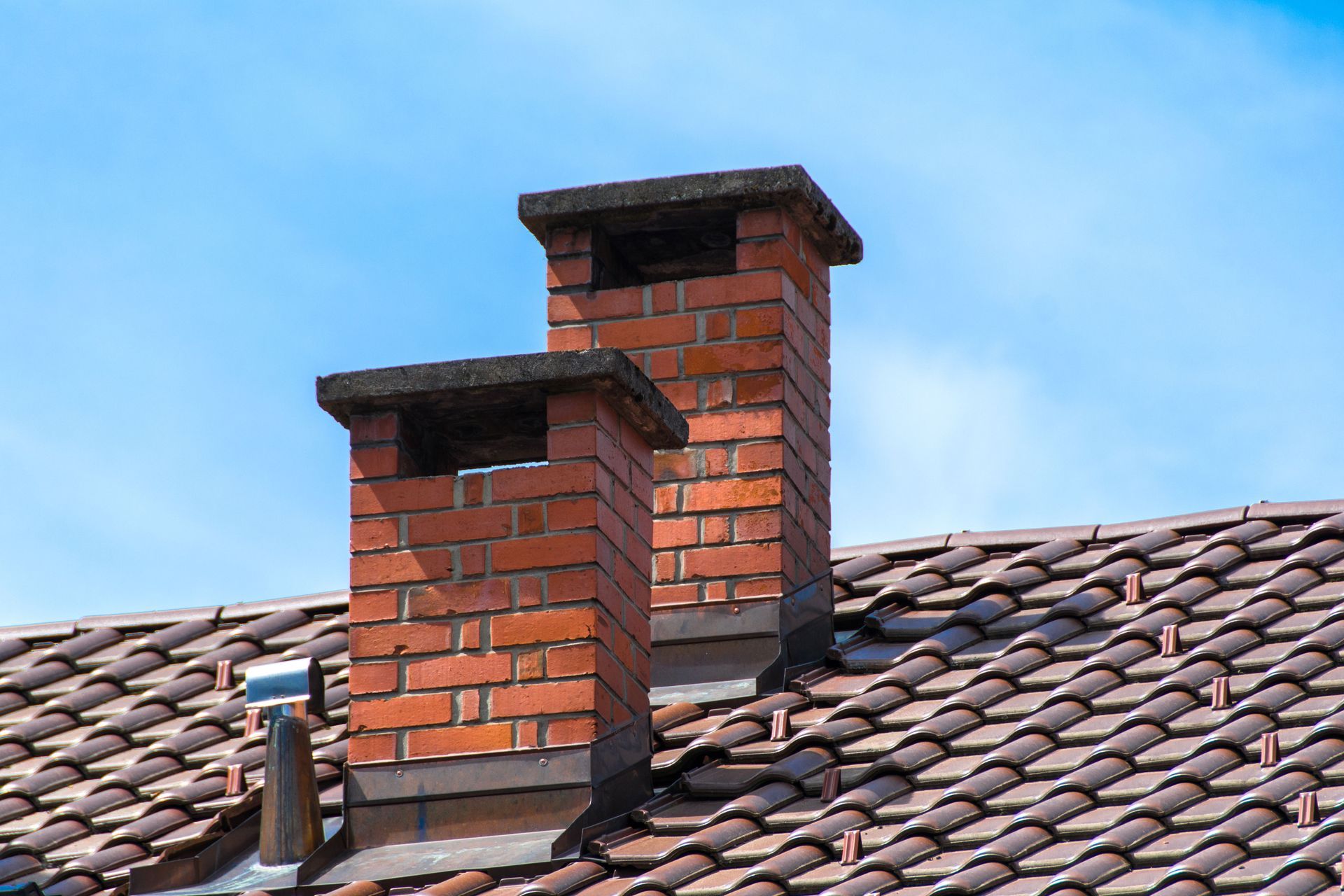
Beyond fire safety, your chimney plays a significant role in the structural stability of your roofline and the upper portions of your house. Because chimneys are exposed to the elements more than any other part of the home, they are susceptible to water damage, which can lead to the crumbling of mortar joints. If the masonry begins to fail, the entire stack can become unstable, posing a risk of collapse that could damage your roof or injure people on the ground. Investing in chimney repairs at the first sign of falling mortar or cracked bricks prevents a total structural failure. This proactive approach keeps the exterior of your home looking sharp while ensuring the heavy masonry remains safely anchored where it belongs.
Understanding the Importance of a Secure Chimney Cap
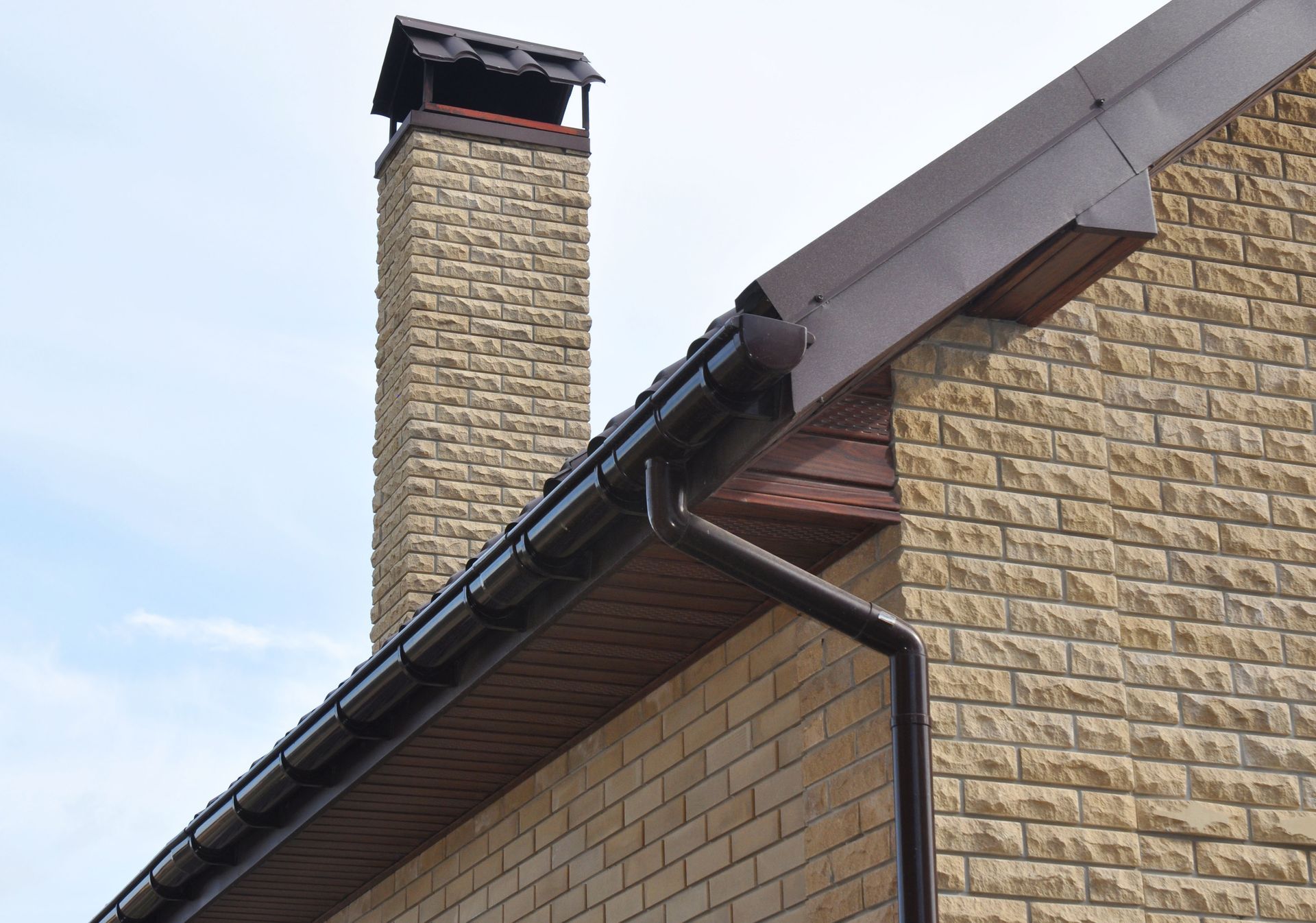
A chimney cap might seem like a minor accessory, but it is actually a crucial safety component that prevents outside elements from interfering with your fireplace. Without a cap, rain, snow, and debris can enter the flue, causing rapid internal rusting and water damage that leads to expensive chimney repairs later on. Furthermore, caps serve as spark arrestors, preventing embers from floating out of the flue and landing on your shingles or nearby trees. They also keep wildlife from nesting inside the vent, which is a leading cause of dangerous blockages.
Maintaining Efficiency and Reducing Utility Costs
When a chimney is in disrepair, it can actually act as a massive air leak that pulls conditioned air out of your house and lets cold drafts in. This inefficiency forces your heating and cooling systems to work twice as hard to maintain a comfortable temperature, leading to higher energy bills month after month. Professional chimney repairs often involve fixing dampers or sealing cracks that allow this air exchange to happen. By making sure your chimney is airtight when not in use, you improve the overall thermal envelope of your home. This means your fireplace will burn more efficiently when you want it to, and your furnace won't have to fight against a constant draft when the fireplace is cold.
Detecting Hidden Issues Through Specialized Knowledge
Many of the most significant safety risks inside a chimney are not visible to the naked eye from the hearth or the roof. Flue liners can crack, and smoke chambers can develop jagged edges that trap flammable soot, all while looking perfectly fine from the outside. This is why professional chimney repairs are so vital; experts use specialized cameras and tools to inspect the parts of the system that are hidden from view. These deep dives into the chimney's interior can uncover early signs of deterioration before they become life-threatening emergencies. Catching a thinning liner or a shifting brick early allows for targeted fixes that keep the safety system operational without requiring a full reconstruction of the stack.
Safeguarding Your Real Estate Investment
A home is likely the largest financial investment you will ever make, and the condition of the chimney is a major factor in its long-term value. During a home inspection, a faulty chimney is often a deal-breaker for potential buyers because of the high safety stakes involved. Keeping up with chimney repairs throughout your time in the home ensures that you won't be hit with a massive bill when it comes time to sell. More importantly, it prevents the type of catastrophic damage that can devalue a property overnight. A well-maintained chimney is a sign of a well-cared-for home, giving you peace of mind that your investment is secure and that your property remains a safe place to live.
Cultivating a Culture of Home Safety
Ultimately, making your chimney a priority is about fostering a broader culture of safety within your household. It shows a commitment to preventive care rather than reactive panic. When you schedule chimney repairs, you are sending a message that you value the security of your physical environment and the well-being of those who reside within it. This attention to detail often spills over into other areas of home maintenance, resulting in a residence that is safer, more efficient, and more comfortable. Your chimney may be out of sight most of the time, but the protection it provides is a constant presence that allows you to enjoy the warmth of your hearth without the shadow of unnecessary risk.
Your chimney is an incredible feat of engineering that works tirelessly to keep your home safe from fire and toxic fumes. While it is easy to take its operation for granted, the statistics and safety risks associated with neglect are too significant to ignore. By treating this structure as the critical safety feature it truly is, you ensure that your fireplace remains a source of comfort rather than a source of anxiety.
To ensure your home remains safe and sound for years to come, contact Pat Jaranson Masonry Inc. for professional masonry services today.